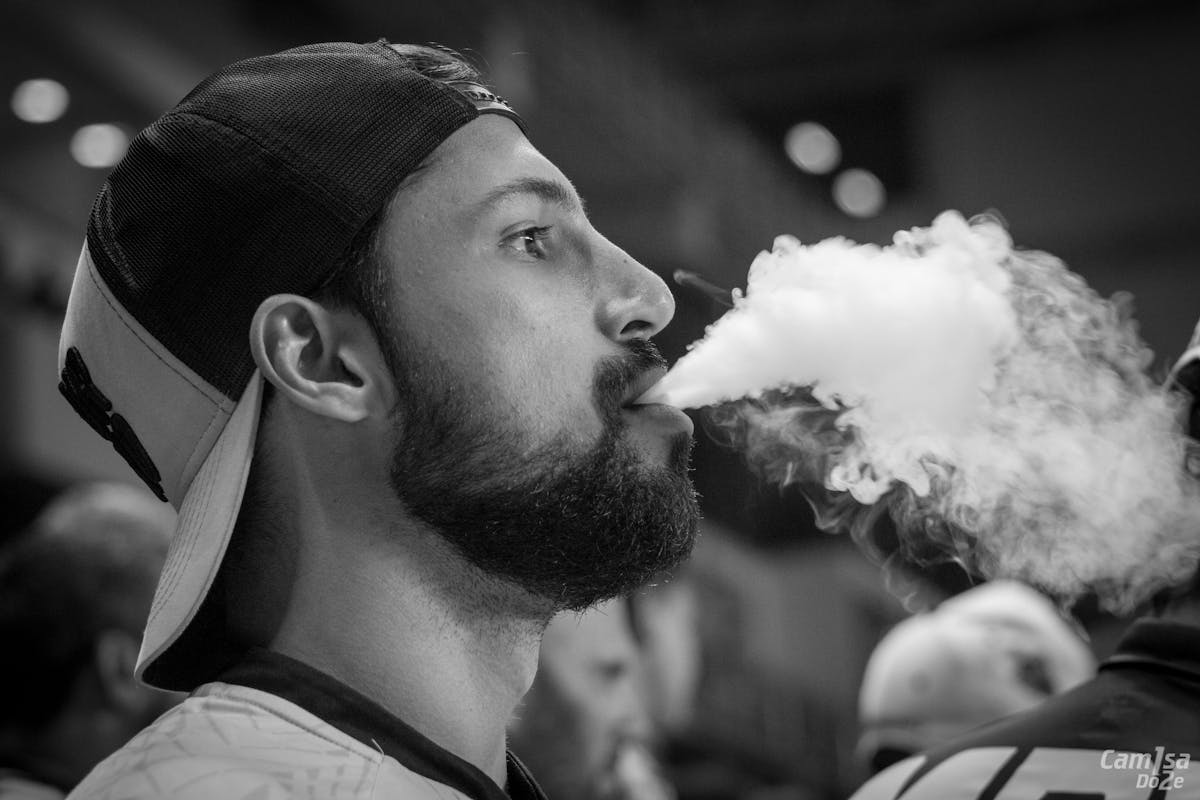
Surgery and recovery create a specific set of medical considerations around nicotine and vaping that go beyond the general harm reduction framing applicable to everyday use. Anaesthesiologists, surgeons and postoperative nurses have clear positions on nicotine use in the perioperative period — the weeks before and after surgery — and these positions are based on well-understood physiological mechanisms that apply to vaping as directly as they do to smoking. Understanding the evidence allows patients to make informed decisions and have productive conversations with their surgical team.
The Preoperative Period: Why Surgeons Ask You to Stop
Most surgical departments advise complete cessation of all nicotine products for at least four to six weeks before elective surgery. The reasons are specific and mechanistic, not generic wellness advice:
- Cardiovascular risk: Nicotine increases resting heart rate and blood pressure and causes vasoconstriction. During the haemodynamic stress of surgery — anaesthesia induction, fluid shifts, blood loss — these baseline changes increase the risk of cardiac arrhythmias and ischaemic events. A four-to-six week cessation period allows these cardiovascular effects to substantially reverse.
- Respiratory risk: Nicotine reduces mucociliary clearance — the airway’s mechanism for removing secretions and debris. Impaired mucociliary clearance increases postoperative pulmonary complications including atelectasis (lung collapse), pneumonia and prolonged respiratory recovery. The timeline for recovery of mucociliary function after nicotine cessation is approximately four to six weeks.
- Wound healing: Nicotine-mediated vasoconstriction reduces peripheral blood flow to healing tissue. Impaired tissue oxygenation delays wound closure, increases infection risk, and in procedures involving skin flaps or grafts can contribute to partial or complete flap failure. This mechanism is most clinically significant for plastic surgery, reconstructive procedures, and any surgery with large wound closure requirements.
These considerations apply to vaping and nicotine replacement therapy as directly as to smoking. The combustion toxins from cigarettes add additional risk factors (particularly pulmonary), but the nicotine-specific effects listed above are delivery-method independent.
Vaping vs Smoking in the Surgical Context: What the Evidence Shows
For patients who cannot achieve complete cessation before surgery, is switching from cigarettes to vaping a meaningful risk reduction step? The available evidence suggests a partial benefit. Switching from cigarettes to vaping significantly reduces CO exposure (beneficial for tissue oxygenation) and reduces airway inflammatory markers over several weeks of exclusive vaping. However, the nicotine-specific perioperative risks — cardiovascular stress, mucociliary impairment, wound healing — are maintained.
The most relevant study context is preoperative pulmonary optimisation. Studies have shown that smokers who switch to e-cigarettes four to six weeks before surgery show improved spirometry values compared to those who continue smoking, but not equivalently to those who cease all nicotine. For the most nicotine-sensitive surgical outcomes — wound healing in reconstructive surgery, cardiovascular stability during high-risk procedures — complete cessation remains the target.
Medical consensus: complete cessation of all nicotine products is the optimal preparation for elective surgery. If complete cessation is not achievable, switching from cigarettes to vaping is a partial harm reduction step. Neither is equivalent to nicotine abstinence. Always disclose current vaping use to your anaesthesiologist and surgical team before any procedure — it is medically relevant information.
The Postoperative Period: What to Expect and When to Resume
After surgery, the same physiological mechanisms continue to apply. Wound healing, tissue perfusion and respiratory recovery are all impaired by nicotine use in the postoperative period. The general guidance from most surgical teams is to avoid all nicotine products for at least four weeks post-surgery, and longer for major procedures, reconstructive surgery, or surgeries with significant wound healing requirements.
The temptation to resume vaping quickly post-surgery is understandable — recovery is stressful, and nicotine-dependent patients experience withdrawal on top of postoperative discomfort. The timing of resumption should be discussed explicitly with your surgical team, who can advise based on your specific procedure, wound status and recovery trajectory. General ward guidance may be less specific than you need; asking your surgeon directly is appropriate.
Specific Procedure Considerations
- Dental and oral surgery: Nicotine’s vascular effects directly impair socket healing after extraction and increase the risk of dry socket (alveolar osteitis). Inhalation of any aerosol creates negative pressure in the oral cavity that can displace blood clots at extraction sites. Most oral surgeons advise avoiding all inhalation products — including vaping — for at least forty-eight hours and ideally one week after any extraction or oral surgical procedure.
- Plastic and reconstructive surgery: Nicotine-induced vasoconstriction is a primary risk factor for flap failure, graft rejection and wound dehiscence. Many plastic surgeons will decline to perform elective procedures on patients who cannot demonstrate sustained nicotine cessation, and require nicotine testing before scheduling.
- Orthopaedic surgery: Bone healing and fusion are impaired by nicotine through effects on osteoblast activity and microvasculature. For spinal fusion, joint replacement and fracture repair, nicotine abstinence during the bone healing period (typically three to six months) improves outcomes.
- Cardiac surgery: The cardiovascular effects of nicotine in the immediate postoperative period following cardiac procedures create specific risks around arrhythmia and ischaemia. Cardiac surgery teams are typically explicit about requiring complete abstinence throughout recovery.