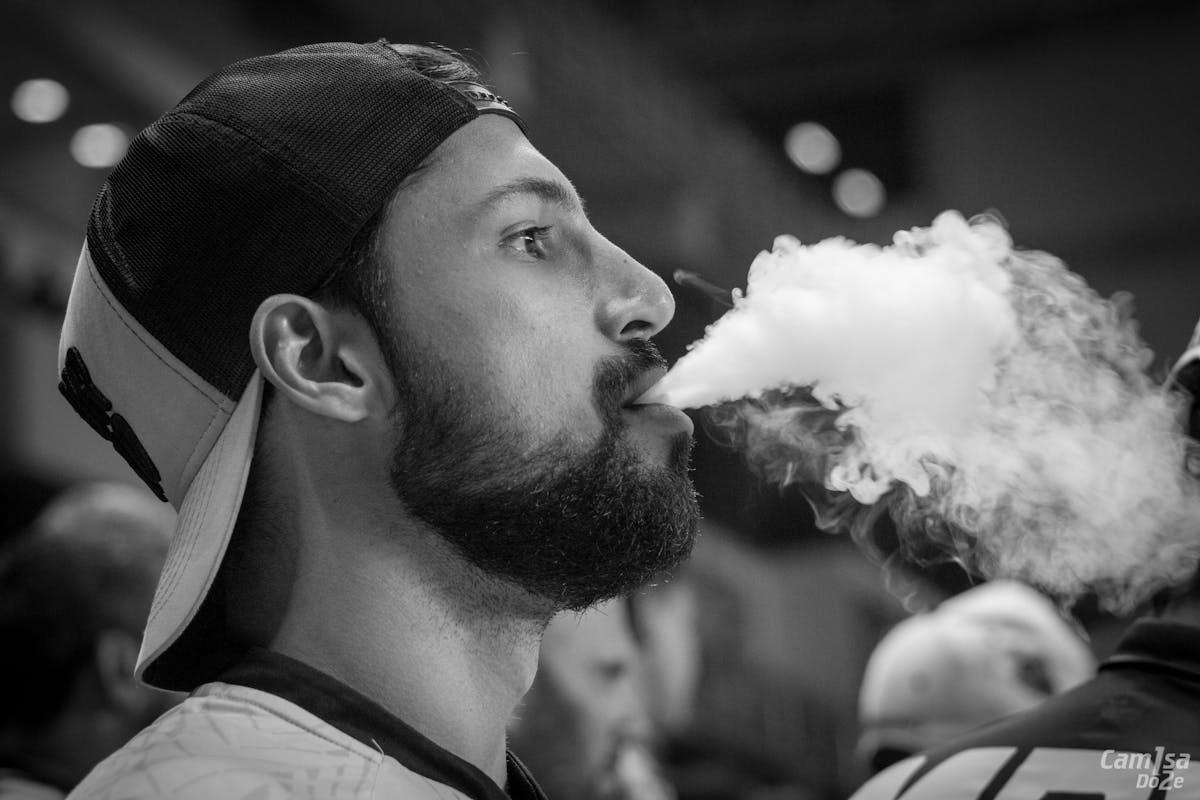
The e-liquid flavour market presents a deceptively simple consumer interface — choose from hundreds of named profiles, open the bottle, vape. Behind this simplicity is a sophisticated applied science that draws on perfumery, food technology, organic chemistry and sensory psychology. The best e-liquids available from premium vape ireland retailers are the product of serious formulation work by trained flavourists working within a complex regulatory and safety framework. Understanding how these products are created and what distinguishes excellent formulation from mediocre adds both appreciation for the craft and practical knowledge for making better product choices.
The Flavourist’s Palette: Flavour Compounds and Their Origins
E-liquid flavours are created from flavour concentrates — highly concentrated solutions of flavour compounds in a carrier, usually propylene glycol. These concentrates may contain natural isolates (compounds extracted directly from natural sources), nature-identical compounds (synthesised molecules chemically identical to those found in nature), and artificial compounds (molecules with no natural equivalent, designed specifically for their flavour properties). The distinction between “natural” and “artificial” in flavour science is more complex than consumer marketing suggests; many nature-identical compounds are cleaner, more consistent and more shelf-stable than their natural counterparts.
A single e-liquid flavour profile typically contains between five and thirty distinct chemical compounds. A “simple” strawberry flavour might include ethyl butyrate (the key ester that characterises ripe strawberry), ethyl acetate (freshness and light topnote), gamma-decalactone (soft fruity roundness), furaneol (caramellic sweetness characteristic of ripe red fruits), and vanillin (background warmth and mouthfeel enhancement). Each compound is included at a specific concentration; the art of the flavourist is in the proportioning of these elements to create a profile that is coherent, appealing and stable through the heating process of vaping.
The Thermal Challenge: Formulating for Vaporisation
Food flavouring and fragrance formulation — the closest disciplines to e-liquid flavour work — deal with compounds that will be tasted or smelled at room temperature or mild cooking temperatures. E-liquid flavourists face a fundamentally different challenge: their formulations must survive and express appropriately at temperatures between 150°C and 280°C. At these temperatures, many flavour compounds undergo thermal degradation, Maillard reactions with other components, and pyrolysis that creates entirely different secondary products.
This thermal instability is why e-liquid flavour formulation cannot simply borrow from food or fragrance without modification. Certain ester compounds that perform well at room temperature develop off-notes at vaping temperatures. Terpene compounds — responsible for many citrus and herbal notes — are particularly heat-sensitive and may express barely at all in a vape that produces a strong result at a lower temperature. Formulating for the vaping temperature range requires either working with heat-stable compounds or calculating the thermal degradation products of heat-sensitive ones and determining whether those products are pleasant, neutral or harmful.
Sweetness: The Sucralose Problem
Sucralose has become the dominant sweetener in e-liquid formulation because of its high sweetening intensity (approximately 600 times sweeter than sugar at equivalent concentration) and its initially stable, clean sweet profile. The problem is its behaviour at vaping temperatures: sucralose undergoes partial thermal decomposition above approximately 120°C, producing caramel-brown products (the “coil gunk” familiar to vapers who use sweet liquids) and trace quantities of chlorinated organic compounds whose toxicological significance at vaping concentrations is not fully established.
Premium formulators have explored alternatives: stevia extracts, which bring their own flavour challenges; Erythritol, which has lower coil-gunking tendency but more limited sweetness; and acesulfame potassium, stable at higher temperatures but with a metallic aftertaste at higher concentrations. The search for a clean, heat-stable, high-intensity sweetener that does not degrade at vaping temperatures is one of the active formulation challenges in the field.
Tobacco Flavour: The Most Technically Complex Profile
Tobacco-flavoured e-liquids represent the single most technically demanding challenge in e-liquid flavour science. Real tobacco smoke flavour is generated by the combustion and pyrolysis of hundreds of alkaloids, phenols, carbohydrates and amino acids in tobacco leaf — a process that generates thousands of compounds in a self-organising complex mixture. Replicating this character using safe, non-combusted flavour compounds without any of the toxic pyrolysis products is an open technical problem that no formulator has fully solved.
The best tobacco e-liquids approach the problem from multiple directions: tobacco absolute (a concentrated extract of tobacco leaf components without the combustion products) provides authentic base character; blending of phenolic compounds (guaiacol, eugenol) provides smokiness; vanillin and caramel notes provide the sweetness of cured tobacco; light citrus or floral top notes prevent the profile from reading as flat and one-dimensional. Even with this complexity, tobacco e-liquid aficionados consistently note that no available product fully captures the sensory complexity of combusted tobacco — a gap that heated tobacco products (HTPs) address more directly by using actual tobacco leaf.
Regulatory Constraints on Flavour Formulation
E-liquid flavour formulation operates within the TPD notification framework: manufacturers must notify regulatory authorities of all flavour compounds present above threshold concentrations in any product sold in the EU. Compounds classified as CMR (carcinogenic, mutagenic, or reprotoxic), respiratory sensitisers, or specifically prohibited under EU flavouring regulations cannot be used. Diacetyl and acetyl propionyl — diketone compounds associated with occupational lung disease in butter flavour manufacturing workers — are prohibited from e-liquid use in the UK and regulated in the EU, driving the reformulation of many dessert and cream profiles in the mid-2010s.
The TRPR (Tobacco and Related Products Regulations) notification database contains more than 10,000 registered e-liquid products across the EU, with flavour compound data providing an increasingly detailed picture of what the market actually contains. Independent researchers have used this data to identify potentially concerning compounds that have not yet been formally regulated — an ongoing dialogue between the regulatory and scientific communities that will continue to shape what is and is not permissible in e-liquid formulation.